2-Point Seat Belts
Expert assembly, repair and replacement. We're specialists in providing high quality 2-point seatbelts to the automotive industry.
What is a 2-Point Seat Belt?
A 2-point belt is a type of lap belt, with a mounting position on each side of the belt. They're typically the minimum legal safety requirement in vehicles such as cars, vans and motorhomes.
We're experts in the manufacture of 2-point belts for a wide range of applications, with over 30 years' experience in the industry. Each belt is assembled using the highest quality components for performance and longevity.
Key Features:
- Webbing across lap only
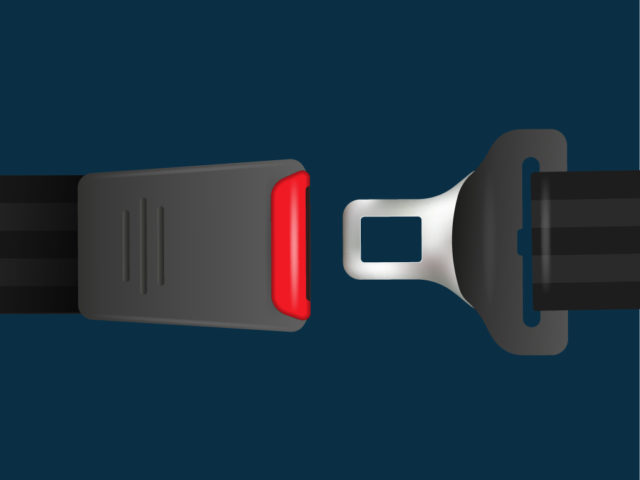
- Quick release buckle
- Adjustable length
- Compact design
- Minimum legal safety requirement
Common Applications:
Professional Repair Services
As well as assembly and fitting, we also offer a range of repair services for 2-point belts.
Component Repair
Professional repair of buckles, webbing and hardware components.
Rewebbing
Complete webbing replacement using high-grade materials.
Full Replacement
Complete belt replacement ensuring optimal safety performance.
The short answer
A 2-point seat belt is a lap belt with a mounting position on each side of the belt. Orion assembles, fits, repairs and replaces 2-point belts for a wide range of applications, and can reweb belts where the webbing has worn.
How it works and where it is used
A 2-point belt runs across the lap only. One end is anchored at one side of the seat and the other end carries the buckle, which connects to the opposite mounting point. The webbing is adjustable for length, and the buckle releases quickly when the occupant needs to get out. Because there is no shoulder sash, the design is compact and suits seats where a diagonal belt cannot be fitted or is not part of the layout.
Our 2-point page describes these belts as typically the minimum legal safety requirement in vehicles such as cars, vans and motorhomes. They also appear in aircraft seating, bus transport, marine applications and specialty vehicles. In accessible transport, our Emergency Vehicle Safety & Compliance Guide lists 2-point lap belts for temporary or wheelchair restraint, and our forklift sector page uses a lap belt for the operator seat.
When you describe a 2-point requirement, the seat and its mounting points matter as much as the belt. A lap belt depends on secure anchorages on both sides, and the Garage & MOT Compliance Guide lists loose or corroded anchor points among the common seatbelt faults found at MOT.
Standards and regulations
UNECE R14 and R16 cover anchorages and belt performance. Both appear in our Emergency Vehicle Safety & Compliance Guide and our Campervan Manufacturers Safety & Compliance Guide.
ISO 10542 covers wheelchair transport, and is listed in the Emergency Vehicle Safety & Compliance Guide. It is relevant where a 2-point lap belt forms part of a wheelchair restraint arrangement.
For road vehicles that go through an MOT, our Garage & MOT Compliance Guide explains that faulty seatbelts are a common cause of failure and that seatbelt systems should meet DVSA standards.
The right specification depends on the vehicle and its installation, so discuss your application with the team.
Sectors that use 2-point seat belts
- Buses and coaches where lap belts are used on passenger seats.
- Wheelchairs where a lap belt can form part of the occupant restraint.
- Motorhomes where 2-point belts are among the seating options.
- Taxis including accessible seating positions.
- Forklifts where the operator seat uses a lap belt.
- Aviation where lap belts are used in aircraft seating.
Repair vs replace
Our 2-point page lists professional repair of buckles, webbing and hardware components, complete webbing replacement, and complete belt replacement. Which one suits your belt depends on what is worn or damaged.
Our Fleet Operator Safety Guide lists the signs to look for: fraying or cuts in the webbing, fading or discolouration, difficulty retracting, damaged or faulty buckles, and twisted or stiff webbing. A belt should lie flat, and a buckle that jams or releases too easily should be replaced.
Where the webbing is the problem, rewebbing replaces only the webbing rather than the entire belt, which our rewebbing page describes as a way to make cost savings. Rips or tears in the material risk compromising safety, so damaged webbing should not be left in service.
The Fleet Operator Safety Guide is clear that seatbelts in any vehicle that has been in an accident should be replaced, rather than repaired. Our replacement page adds that a belt showing wear and tear, or not working as it used to, is a clear sign that internal components may have degraded. As our rewebbing page points out, there is no warning light or alarm to tell you a belt is worn, so it is the owner’s responsibility to check whether it is faulty or damaged and to act on it.
What to have ready when you ask for a quote
- The vehicle or seat the belt is for, such as make, model and year, or the seat manufacturer.
- Which seating position or positions need belts.
- Photos of the belt label, the buckle and both mounting points.
- Whether you need a new belt, a repair, rewebbing or a replacement.
- How many belts you need, and any length or colour preference.
- A short description of any fault, such as fraying, a buckle that will not latch or a loose anchor.
FAQ
What is a 2-point seat belt?
A 2-point seat belt is a lap belt with a mounting position on each side. It runs across the lap only, with an adjustable length and a quick release buckle.
Where are 2-point seat belts used?
Orion’s 2-point page lists cars, vans and motorhomes, bus transport, aircraft seating, marine applications and specialty vehicles. Lap belts are also used for wheelchair restraint and on forklift operator seats.
Can a worn 2-point belt be repaired rather than replaced?
Often, yes. Orion repairs buckles, webbing and hardware and can reweb 2-point belts. A belt from a vehicle that has been in an accident should be replaced instead.
What should I send when asking for a 2-point belt quote?
Send the vehicle or seat details, the seating positions, photos of the label, buckle and mounting points, the quantity, and a description of any fault.