Safety Harnesses
With years of experience in safety belts and harnesses we are here and ready to help whatever your particular requirement might be.
What is a Harness?
A harness is in simple terms a piece of equipment with straps and belts, used to control or hold in place a person, animal, or object. There are literally hundreds of types of harness and reasons to use them each with their own specific set of requirements.
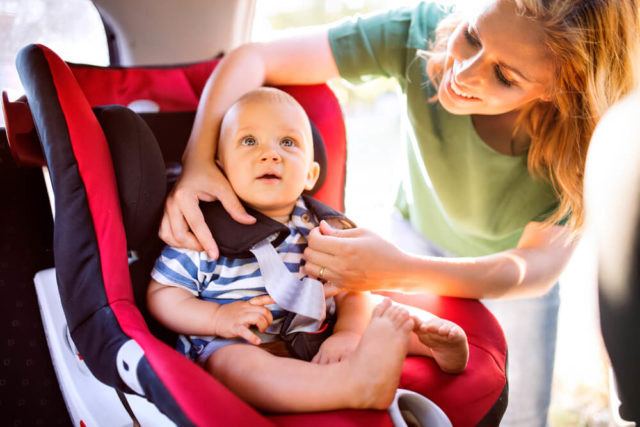
Over many years we have dealt with a plethora of different types of harnesses from Air Ambulance stretchers to Sport, from Height Safety to Baby harnesses. Whatever type of harness you need, we can make it.
Key Features:
- Durable materials and hardware
- Bespoke design
- Multi-application capability
- Straps and belts system
- Control and restraint function
- Custom requirements
Applications We Serve:
Durable and Long Lasting
Our Harnesses are assembled using only the most durable materials, from the webbing to the hardware. All our harnesses are made bespoke, to suit your individual requirements.
Premium Materials
Only the most durable materials ensuring each harness is sturdy and safe.
Bespoke Solutions
Custom manufactured to satisfy your individual application requirements.
Proven Experience
Years of experience across hundreds of different harness applications.
The short answer
A harness is a piece of equipment with straps and belts, used to control or hold in place a person, animal or object. Orion makes harnesses bespoke to each requirement, from the webbing to the hardware, and can repair and reweb existing harnesses.
How it works and where it is used
Our harnesses page explains that there are hundreds of types of harness, each with its own requirements. Unlike a vehicle seat belt with a set number of mounting points, a harness is designed around what it needs to hold and how it will be used, which is why each one is made bespoke.
Over many years Orion has worked on harnesses for air ambulance stretchers, sport, height safety and baby harnesses. The harnesses page also lists industrial use, medical transport and specialised equipment. In emergency vehicles, our Emergency Vehicle Safety & Compliance Guide recommends integrated harnesses for stretcher beds and fixed treatment positions.
Harnesses also appear on our sector pages. Our racing page covers harnesses for race cars, our forklift page lists harnesses alongside lap belts, and our wheelchair page includes harnesses among the restraint types used in accessible vehicles.
Standards and regulations
For ambulance and wheelchair transport, our Emergency Vehicle Safety & Compliance Guide lists ISO 10542 and BS EN 1789, together with UNECE R14, R16 and R17 for anchorage, webbing strength and interior fittings. These apply where a harness is part of an emergency vehicle or accessible vehicle installation.
The same guide recommends anchoring to structural steel, never cabinetry, and validating installations with load tests, photos or checklists. For other harness applications, describe the use so the requirements can be discussed.
The right specification depends on the vehicle and its installation, so discuss your application with the team.
Sectors that use harnesses
- Emergency services including stretcher and treatment positions.
- Wheelchairs as part of accessible vehicle restraint.
- Racing for race cars and motorsport.
- Forklifts alongside lap belts for operator seats.
Repair vs replace
Orion’s repair services cover buckles, webbing and hardware, and worn harness webbing can be replaced through our rewebbing service.
Our Fleet Operator Safety Guide lists the signs to look for: fraying or cuts in the webbing, fading or discolouration, difficulty retracting, damaged or faulty buckles, and twisted or stiff webbing. A belt should lie flat, and a buckle that jams or releases too easily should be replaced.
Where the webbing is the problem, rewebbing replaces only the webbing rather than the entire belt, which our rewebbing page describes as a way to make cost savings. Rips or tears in the material risk compromising safety, so damaged webbing should not be left in service.
For emergency vehicles, the Emergency Vehicle Safety & Compliance Guide recommends checking belts daily, replacing them after any crash and re-inspecting every year. As our rewebbing page points out, there is no warning light or alarm to tell you a belt is worn, so it is the owner’s responsibility to check whether it is faulty or damaged and to act on it.
What to have ready when you ask for a quote
- What the harness needs to hold, for example a person, a stretcher or equipment.
- Where it will be used, such as a vehicle, a sports application or industrial equipment.
- Photos or a sketch of the existing harness, its label, buckles and attachment points.
- Whether you need a new bespoke harness, a repair or rewebbing.
- The quantity you need.
- Any requirement set by your vehicle builder or the equipment you use.
FAQ
What is a harness?
A harness is a piece of equipment with straps and belts used to control or hold in place a person, animal or object. There are hundreds of types, each with its own requirements.
Can Orion make a harness for an unusual application?
Orion makes all its harnesses bespoke, and has worked on harnesses from air ambulance stretchers and sport to height safety and baby harnesses. Describe your application when you get in touch.
Which standards apply to harnesses in emergency vehicles?
Orion’s Emergency Vehicle Safety & Compliance Guide lists ISO 10542, BS EN 1789 and UNECE R14, R16 and R17 for ambulance and wheelchair transport.
Can an existing harness be repaired?
Orion repairs buckles, webbing and hardware and offers rewebbing. Send photos and details of the fault so the team can advise.