Heavy Duty Straps
Straps you can rely on from dependable professionals. We're very experienced in the manufacture and assembly of a large variety of heavy duty ratchet straps.
What is a Heavy Duty Strap?
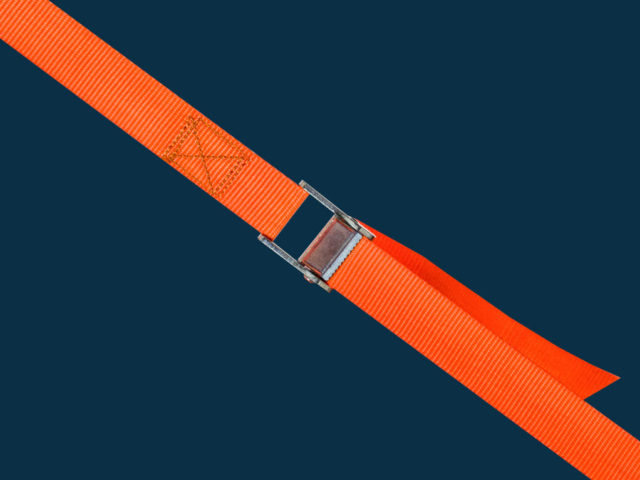
In simple terms, a ratchet strap but made to handle bigger loads. Generally these straps will use different hardware to cope with the extra demands placed on the product.
We manufacture using high quality hardware and 100% polyester webbing giving excellent strength and very good durability. Whatever the application and whatever hardware is needed, we tailor each strap to suit your specific needs.
Key Features:
- High-strength polyester webbing
- Premium grade hardware
- Extra load capacity
- Enhanced durability
- Custom configurations
- Professional assembly
Common Applications:
Secure Your Cargo with Confidence
Whatever your cargo we're here to make sure it arrives at its destination safely. Our straps are tailored completely bespoke with fast delivery.
100% Polyester Webbing
Excellent strength and durability for heavy-duty applications.
Premium Hardware
High quality hardware designed to handle extra demands and loads.
Custom Solutions
Tailored to your specific needs with fast, reliable delivery.
The short answer
A heavy duty strap is, in simple terms, a ratchet strap made to handle bigger loads. Orion manufactures and assembles a large variety of heavy duty ratchet straps, made from high quality hardware and 100% polyester webbing and tailored to each requirement.
How it works and where it is used
Our straps page explains that heavy duty straps generally use different hardware from standard ratchet straps to cope with the extra demands placed on them. The webbing is 100% polyester, which the page describes as giving excellent strength and very good durability.
The ratchet tensions the webbing around or across the load and holds it in place, and the hardware at each end attaches the strap to the vehicle or structure. Whatever the application and whatever hardware is needed, each strap is tailored to the requirement.
The applications listed on our straps page are cargo securing, heavy-duty transport, industrial applications, marine operations, construction sites and logistics operations. In each case the aim is the same: making sure the cargo arrives at its destination safely.
Because the right hardware depends on what the strap attaches to, describe the anchor points on your vehicle, trailer or vessel as well as the load. That helps the team tailor the strap rather than supplying a general one.
Our straps page describes Orion as very experienced in the manufacture and assembly of a large variety of heavy duty ratchet straps. Because the straps are tailored completely bespoke, two straps for different jobs may use different hardware, lengths and fittings. Describing the job in plain terms, such as what is being carried, how it is loaded and how far it travels, is often the quickest way to explain what you need.
Sectors that use heavy duty straps
- Commercial vehicles for cargo securing and heavy-duty transport.
- Marine for marine operations.
Repair vs replace
Orion’s repair services cover webbing and hardware, so describe which part of the strap is affected when you get in touch.
Many of the signs of wear in our Fleet Operator Safety Guide apply to strap webbing too: fraying or cuts, fading or discolouration, and twisted or stiff webbing. The guide explains that UV exposure makes fibres brittle and that uneven fading suggests weaker fabric.
Rips or tears in webbing risk compromising safety, as our rewebbing page explains, so a damaged strap should be taken out of use until it has been looked at.
If the hardware is damaged or the ratchet no longer holds, describe the fault and send photos so the team can advise whether a repair or a new strap is the right step.
A simple routine helps you spot problems early. Adapting the checklist in our Fleet Operator Safety Guide, inspect the webbing for fraying or discolouration, check that the ratchet and end fittings work smoothly, check the anchor points on the vehicle or structure for damage, and keep a record of your checks. The guide recommends keeping inspection records for seatbelts, and the same habit is useful for straps.
What to have ready when you ask for a quote
- What you are securing, and roughly its size and weight.
- The vehicle, trailer or vessel, and the type of anchor points available.
- The strap length and the end fittings you need.
- Photos of any existing strap you want matched, including its label.
- The quantity you need.
- How the load is carried, for example on a flatbed, in a van or on a vessel.
FAQ
What is a heavy duty strap?
A heavy duty strap is a ratchet strap made to handle bigger loads. It generally uses different hardware from a standard strap to cope with the extra demands.
What material are Orion’s heavy duty straps made from?
Orion manufactures its heavy duty straps using high quality hardware and 100% polyester webbing.
Can Orion make straps to a specific length or with specific fittings?
Yes. Orion tailors each strap to the application, including the hardware needed. Tell the team the length, fittings and quantity.
Where are heavy duty straps used?
Orion’s straps page lists cargo securing, heavy-duty transport, industrial applications, marine operations, construction sites and logistics operations.
When should a strap be taken out of use?
Take a strap out of use if the webbing is torn, cut or frayed, or if the ratchet or hardware no longer holds, and ask Orion for advice.